For most of automotive history, a car was either on the road or it was not. You could see it, hear it, photograph it or watch it pass through an intersection. That distinction is beginning to disappear.
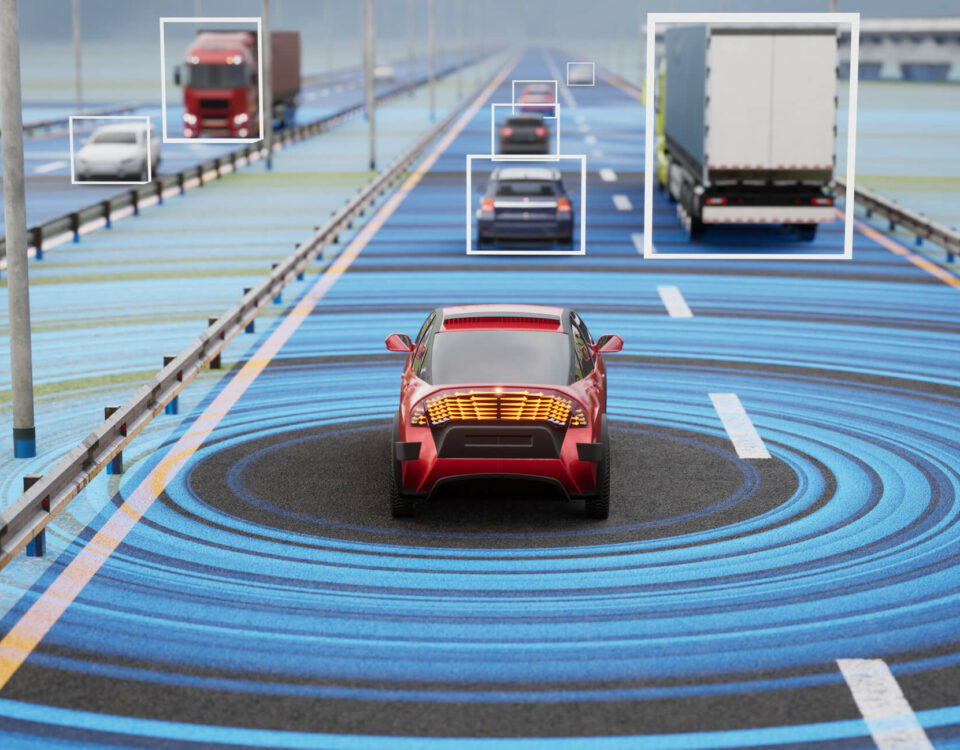
Vehicles arriving in 2026 and 2027 are becoming part of a much larger communication system. They do not simply observe the road through cameras and radar. Many can exchange information with phones, cloud platforms, traffic infrastructure, digital keys and other vehicles.
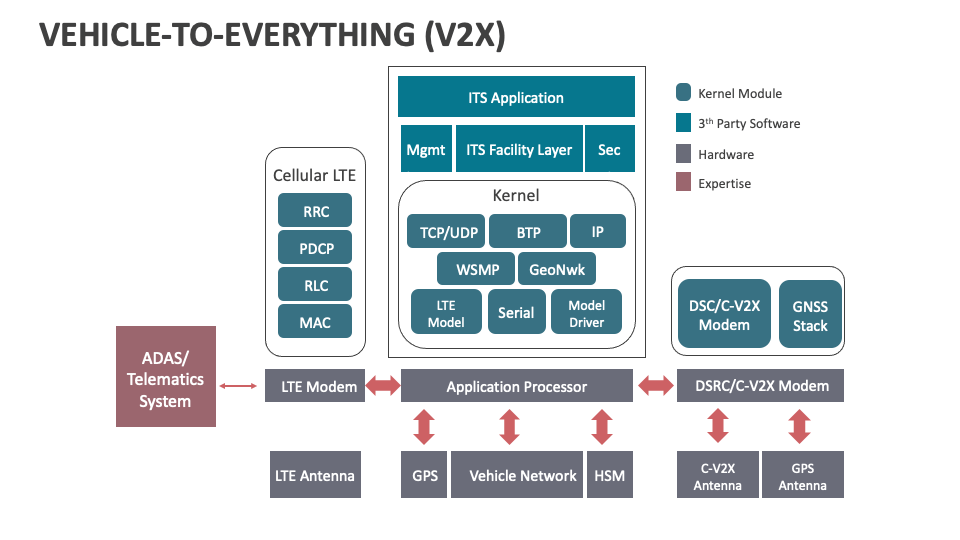
This technology is known as vehicle to everything communication, or V2X (I will cover this in a depth in a separate article). It allows a car to receive warnings about hazards it may not be able to see yet. Another vehicle might report that it is braking suddenly, approaching an intersection or sitting disabled around a blind curve.
It sounds incredibly useful. It also creates something we have never dealt with before.

A vehicle can now exist inside another car’s understanding of the road without physically being there.
That is a ghost vehicle.
Connected vehicles can broadcast safety messages containing information such as location, speed, direction and braking activity. If someone successfully introduces counterfeit safety messages into that environment, one transmitter could potentially appear to be several different cars. Researchers call this identity multiplication a Sybil attack.
To the driver, the road may look completely empty. To the vehicle, several cars may be approaching. A ghost could appear stopped in a travel lane, speeding toward an intersection or braking directly ahead. It could create the impression of a collision, a traffic jam or a dangerous vehicle hidden beyond the driver’s line of sight. That false information could influence navigation, collision warnings and future automated driving decisions. But the ghost does not necessarily remain trapped inside one car.

Roadside receivers placed near intersections can collect vehicle messages and send information into traffic controllers and transportation management systems. The infrastructure can also communicate back, broadcasting signal timing, lane layouts, road closures and hazard warnings.
In other words, the vehicle is talking to the city, and the city may be listening.
If counterfeit vehicle messages entered that conversation, an empty lane could appear congested. A clear intersection could look dangerous. A group of ghosts might appear to be approaching at high speed or suddenly braking in the same area. Depending on how the local system is designed, that information could contribute to traffic warnings, routing decisions or changes in signal timing.
The city could begin reacting to traffic that exists only in data. Public safety adds another layer. Connected vehicle programs already include emergency vehicle alerts and signal preemption systems designed to clear intersections for police cars, fire trucks and ambulances. These functions are supposed to require authorized equipment and valid digital credentials. An ordinary ghost should not be able to announce that it is an ambulance and demand a green light.
But credentials can be stolen. Authorized equipment can be compromised. Legitimate systems can send illegitimate information.
A convincing ghost carrying the identity of a public safety vehicle could theoretically generate false warnings, request priority or cause infrastructure to prepare for an emergency vehicle that never arrives. Even without impersonating a first responder, a cluster of ghost vehicles could create false congestion or hazards along an emergency route.
Law enforcement surveillance presents a different problem. A purely digital V2X ghost has no physical plate for a police camera to photograph. It could appear to connected cars and roadside receivers while remaining invisible to a conventional license plate reader.
A real vehicle carrying a false identity is another story.
Automated license plate readers photograph vehicles and attach plate numbers to specific times and locations. A cloned plate can make an innocent person’s car appear somewhere it never visited. Meanwhile, that same physical vehicle could broadcast a different identity to connected infrastructure and report another location through its telematics system.
Police cameras might record Vehicle A. Roadside receivers might detect Vehicle B. Cloud records might place the car somewhere else entirely. The ghost vehicle does not have to disappear. It can be far more useful to appear in several places at once.
This is where the entire idea becomes less about futuristic cars and more about what we are building around them.

The problem is not simply that cars are becoming digital. It is that we are connecting them to cities whose existing systems are already fragmented, underfunded, inconsistently patched and operated by dozens of different vendors. These networks are also potential targets for advanced persistent threats, known as APTs, and complex infrastructure may already contain compromised devices or undetected footholds.
We cannot consistently secure digital documents. Elementary schools face growing cyber threats involving the identifying information of children. Hospitals struggle with cyberattacks that threaten patient records and essential systems. Yet we are preparing to let vehicles exchange information with traffic signals, public safety systems and the cities around them.
The difference is that stolen records expose information. Corrupted vehicle data can change what happens next in physical space and in real time. Cars brake. Signals change. Lanes close. Emergency routes shift. Police respond.
Every connection creates another question of trust. The vehicle must trust the road. The road must trust the vehicle. The city must trust its contractors. The software must trust its updates. Law enforcement must trust the records produced by all of them.
A digital signature may confirm who sent a message. It does not necessarily prove that the message is true. That may be the most disturbing part of the ghost vehicle. It does not have to fool the person behind the wheel. It only has to fool the computers deciding what is real.
This is not anti technology or conspiracy theory. It is the central cybersecurity question of connected infrastructure: What happens when machines begin acting on information before anyone establishes that the information is true?
Discover more from Solide Info | The Engineer’s Authority on Cyber Defense
Subscribe to get the latest posts sent to your email.