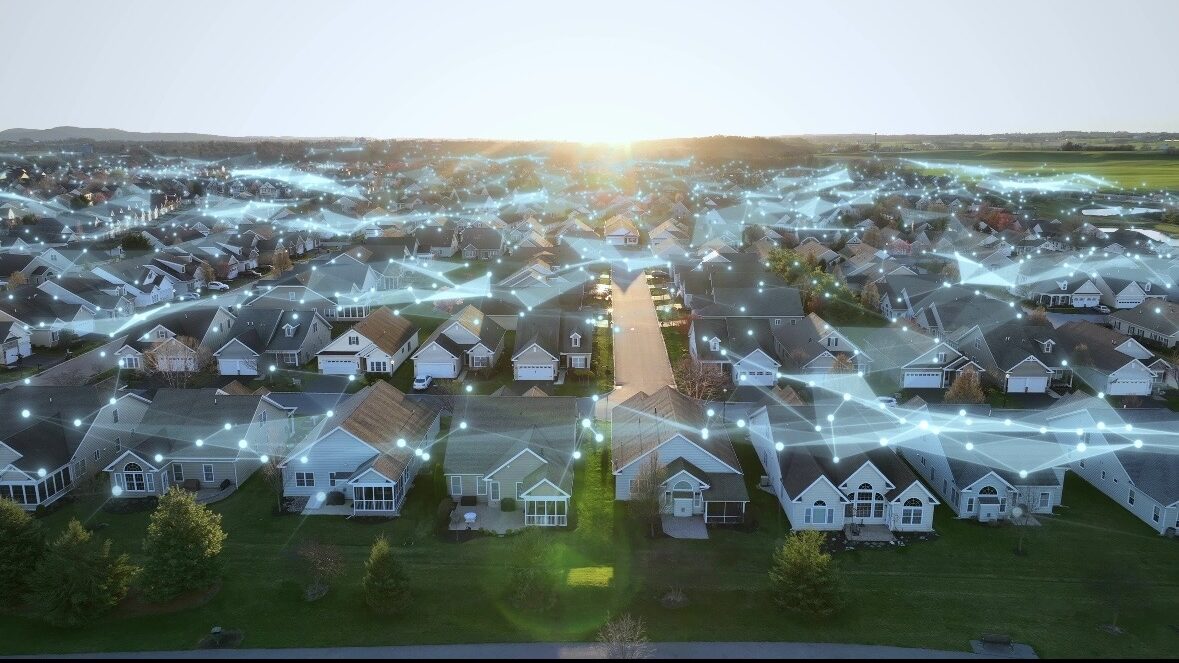
Modern data theft operations no longer require visible data centers or centralized command infrastructure. Skilled groups can distribute storage, synchronization, and relay activity across ordinary consumer systems that blend naturally into residential traffic. A compromised laptop or home network can become part of a larger operational fabric.
The operational advantage of this architecture is concealment through normalization. Residential networks already generate enormous amounts of encrypted traffic from streaming platforms, cloud synchronization, gaming systems, smart devices, software updates, and telemetry services. Malicious relay activity can hide inside communication patterns appearing completely ordinary.
High-performance computing concepts increasingly overlap with decentralized operational models. Distributed workloads are no longer limited to enterprise clusters or research laboratories. Consumer hardware, virtualization frameworks, orchestration platforms, and containerized services now allow geographically separated systems to function together as lightweight distributed infrastructure.

In a malicious adaptation of this model, compromised residential systems can operate as temporary compute nodes, encrypted cache layers, or relay endpoints. Rather than storing stolen information permanently in one location, data may fragment across systems and move continuously between transient operational environments.
Virtualization plays a major role in enabling this architecture. Hypervisors, virtual switches, overlay networking, and software-defined infrastructure allow multiple logical environments to operate simultaneously on one physical machine. Hidden workloads can coexist beside legitimate user activity without noticeably disrupting ordinary system behavior.
Traffic can also be segmented internally through virtual adapters and tunneled externally through encrypted communication channels resembling legitimate cloud services. The physical endpoint effectively becomes a layered operational environment capable of supporting both visible consumer activity and concealed distributed workloads simultaneously.
Dense digital infrastructure inside modern cities further strengthens this threat model. Urban environments contain enormous concentrations of interconnected systems operating simultaneously across residential, healthcare, transportation, municipal, and commercial networks. These overlapping ecosystems generate constant encrypted communication and localized distributed processing activity throughout entire metropolitan areas.

Apartment complexes, hospitals, office corridors, telecom backbones, smart traffic systems, and wireless access points collectively resemble decentralized computing fabrics. Data constantly moves between edge infrastructure, localized compute nodes, cloud systems, and consumer devices, creating highly complex communication environments difficult to interpret at scale.
This matters because concealment becomes easier inside massive volumes of ordinary activity. Residential endpoints participating in covert relay architecture no longer stand out the way they might have years ago. Modern homes already contain dozens of devices continuously synchronizing data and maintaining persistent network sessions.
In dense urban environments, wireless congestion, ISP aggregation, overlapping infrastructure, and device density create increasingly complex traffic patterns. The operational noise of modern cities provides natural camouflage for malicious distributed infrastructure because suspicious communication can blend into continuous legitimate synchronization and encrypted connectivity.
Edge computing further accelerates this shift by distributing workloads outward from centralized data centers into localized environments. Telecom providers, cloud ecosystems, and consumer technology platforms increasingly rely on geographically dispersed processing nodes positioned closer to end users to reduce latency and bandwidth demands. As edge computing expands, residential systems become integrated into broader ecosystems involving synchronization, localized compute workloads, AI acceleration, distributed caching, and persistent device coordination. Malicious groups exploiting this environment may not require dedicated enterprise infrastructure because modern connectivity already provides many foundational architectural characteristics.
The distinction between consumer infrastructure and operational infrastructure therefore continues to blur. A modern residential environment may contain enough storage density, virtualization capability, processing power, and persistent connectivity to function as a small edge node inside a much larger distributed ecosystem.

Network synchronization technologies amplify this problem even further. Modern operating systems constantly exchange telemetry, credentials, browser profiles, application state, update packages, and cloud backups across distributed infrastructure. Threat actors can exploit these trusted communication pathways to conceal malicious movement within ordinary encrypted traffic patterns.
Short bursts of outbound traffic, rotating endpoints, peer-assisted synchronization, and distributed relay services reduce the visibility of traditional perimeter-focused monitoring. Data movement increasingly resembles normal internet functionality because modern platforms are already designed around constant background synchronization and persistent cloud connectivity.
The long-term significance of this model is tied directly to decentralized infrastructure and edge computing. The modern internet increasingly depends on distributed processing, localized AI acceleration, automated synchronization, and always-connected ecosystems operating continuously across billions of consumer and enterprise endpoints worldwide.

Homes now contain televisions, routers, printers, phones, cameras, vehicles, speakers, and smart appliances equipped with processors, radios, storage capability, and automated update frameworks. Threat actors do not need entirely new architectures because legitimate technology trends already provide resilient decentralized operational foundations.
Mitigation therefore requires architectural awareness rather than reliance on isolated antivirus detection. Flat residential networks allow unrestricted lateral movement between trusted devices. Sensitive systems should remain separated from IoT ecosystems, experimental hardware, and heavily interconnected smart infrastructure whenever operationally possible. Most homes operate on flat networks where phones, laptops, smart televisions, gaming systems, printers, cameras and IoT devices all communicate freely with one another. Separating sensitive devices from smart home ecosystems reduces the ability for malicious activity to move laterally across trusted systems.
Consumers should also reduce unnecessary persistent connectivity wherever possible. Many devices continuously maintain cloud synchronization, telemetry reporting, remote management services, and background communications that most users never actively use. Disabling unused remote access features, smart integrations, and automatic device discovery reduces the overall operational surface exposed to the internet.

Visibility must extend beyond the endpoint itself into DNS activity, virtualization frameworks, outbound connection behavior, synchronization patterns, persistent encrypted sessions, and remote administration tooling. Defensive analysis increasingly depends on identifying irregular orchestration behavior rather than searching exclusively for known malicious files or signatures. Most consumers never examine outbound network behavior or connected device activity. A lot of ISP routers don’t allow or give users the autonomy to do this.
Software hygiene is remains critical because modern threats often exploit outdated applications, firmware, drivers, browser extensions, or remote management tools. Regular updates help close vulnerabilities that show persistence, privilege escalation, or unauthorized remote execution. Removing unused software and unnecessary browser extensions also reduces opportunities for hidden background activity.
You should be treating your residential network more like an operational environment rather than passive utilities. Modern homes increasingly function as small distributed ecosystems containing storage, radios, microphones, sensors, cameras, virtualization support, and continuous cloud synchronization. Understanding that reality changes how users approach trust, connectivity, and device management.
Modern systems contain deeply layered dependencies including firmware, drivers, browser infrastructure, remote management services, virtualization frameworks, and cloud synchronization agents. Each operational layer introduces additional opportunities for persistence and covert communication.
The challenge facing defenders is that the modern internet increasingly rewards the same characteristics benefiting covert operational infrastructure. Persistent connectivity, decentralized processing, automated synchronization, distributed storage, and scalable edge computing are legitimate technological advancements designed to improve resilience, speed, and efficiency.
Those same characteristics also create ideal conditions for malicious actors seeking concealment, geographic dispersion, and plausible deniability. A compromised residential system no longer represents a single infected endpoint. It can function as part of a broader ecosystem designed to process, stage, relay, fragment, interact with other infected endpoints, or conceal information across ordinary infrastructure.
The future of covert data movement will likely become increasingly decentralized, automated, and difficult to distinguish from legitimate internet functionality. Modern networks already depend on persistent synchronization, encrypted communication, distributed storage, edge computing, and continuous device coordination. Those same architectural characteristics create ideal conditions for concealed information movement across ordinary infrastructure.
Rather than relying on centralized command servers or obvious malicious traffic, future covert movement will increasingly blend into cloud ecosystems, residential connectivity, peer-assisted synchronization, and edge processing environments. Data may move in fragmented bursts across geographically distributed systems instead of existing permanently in one identifiable location.

Artificial intelligence will also reshape the operational landscape. Automated systems can already analyze traffic patterns, optimize routing decisions, adapt synchronization timing, and distribute workloads dynamically across infrastructure. As AI-driven orchestration becomes more common in legitimate technology ecosystems, malicious operational models will likely adopt similar approaches for concealment and resilience.
The distinction between consumer technology and operational infrastructure will continue to blur as these ecosystems expand. A modern residential environment may already contain enough processing capability, persistent connectivity, virtualization support, and wireless interoperability to function as a small operational node inside a broader distributed ecosystem.
Another factor shaping the future of covert data movement is the growing specialization inside digital criminal ecosystems. Modern cyber crime operations increasingly resemble decentralized service economies where different groups focus on separate layers of infrastructure, persistence, monetization, and operational deployment rather than conducting every phase themselves.
Some groups specialize in building the infrastructure itself. These operations focus on compromising endpoints, deploying persistence mechanisms, establishing relay architecture, configuring virtualized environments, and maintaining distributed residential access across geographically dispersed networks. Their value comes from scale, stability, concealment, and long-term persistence inside ordinary infrastructure.
Once these distributed environments are established, access to them can become a commodity. Criminal marketplaces already operate around the sale of compromised credentials, proxy infrastructure, botnet access, residential IP routing, and remote endpoint availability. Distributed relay environments may increasingly be transferred or leased to separate exploitation-focused groups.
This separation of responsibilities increases operational resilience because infrastructure operators and exploitation groups may function independently from one another. One organization may maintain covert transport architecture and persistent residential access, while another specializes in ransomware deployment, credential operations, financial fraud, or intelligence collection.

Dense urban environments may play an even larger role as cities continue expanding interconnected infrastructure. Smart traffic systems, telecom edge nodes, IoT ecosystems, autonomous vehicles, wireless mesh environments, and continuously synchronized consumer devices collectively create highly complex communication fabrics filled with persistent operational noise.
Inside these environments, covert operational traffic can blend into massive volumes of legitimate distributed activity. Metropolitan infrastructure naturally provides overlapping connectivity, ISP aggregation, synchronization traffic, and geographically dispersed residential endpoints capable of supporting decentralized relay architectures and transient operational ecosystems.
This operational model increasingly resembles legitimate cloud and infrastructure service economies. Just as lawful providers sell compute power, storage, networking, and distributed processing capability, criminal ecosystems can divide infrastructure into specialized operational services involving persistence, routing, monetization, exploitation, and resale operations.
The long-term concern is that decentralized infrastructure lowers operational barriers for malicious groups lacking advanced technical expertise. Organizations specializing in exploitation no longer need to build sophisticated relay environments themselves if distributed operational access can be acquired through existing criminal infrastructure ecosystems.
The rise of encrypted-by-default communication also contributes to this future. Modern internet architecture increasingly prioritizes persistent encryption, decentralized identity systems, secure synchronization, and privacy-focused communication between endpoints. These technologies provide legitimate security benefits while simultaneously reducing visibility into distributed information movement.
Traditional perimeter monitoring becomes less effective when traffic patterns resemble ordinary encrypted synchronization activity. Future covert infrastructure will likely rely less on permanent malicious servers and more on transient relay layers, temporary virtualized environments, decentralized storage, and dynamically shifting distributed workloads.
This evolution changes the focus of cybersecurity itself. The future challenge will not simply involve identifying isolated malicious files or obvious intrusions. Defenders will increasingly need to understand orchestration behavior, synchronization ecosystems, virtualization layers, distributed communication patterns, and trust relationships across interconnected digital environments.
Ultimately, covert data movement will likely evolve alongside legitimate technological progress rather than outside of it. The same innovations improving scalability, efficiency, resilience, and connectivity across modern infrastructure also create operational advantages for malicious actors seeking concealment, geographic dispersion, and persistent distributed access.
Discover more from Solide Info | The Engineer’s Authority on Cyber Defense
Subscribe to get the latest posts sent to your email.