The driver definitions weren’t what caught my attention. The pattern did. Ericsson GSM radios, Trimble GPS adapters, Rockwell navigation hardware, broadcast receivers, and serial communications devices appeared side by side within the same communications ecosystem.
Investigations often begin with individual artifacts. Over time, those artifacts either remain isolated observations or begin forming patterns. In this case, the pattern became more interesting than any individual driver entry.
GPS determines location. GSM provides connectivity. Navigation systems transform coordinates into operational awareness. Serial communications connect equipment. Broadcast systems distribute information across large geographic areas. Individually, they solve different problems. Collectively, they support the movement of information.
What made the pattern difficult to ignore was the context. I wasn’t reviewing a fleet management platform, a survey workstation, or an engineering laptop. I was reviewing a consumer laptop.

The technologies themselves pointed toward familiar operational requirements. Connectivity. Positioning. Navigation. Equipment integration. Information distribution. These are functions commonly associated with transportation fleets, utility operations, survey crews, oilfield services, public safety organizations, and other mobile work forces operating across distance.
The companies behind those technologies added context. Ericsson built telecommunications infrastructure. Trimble became a dominant name in surveying, transportation, utilities, construction, and oil and gas. Rockwell established itself in industrial automation and operational technology. Quatech and Socket Communications specialized in connecting computers with external equipment and field hardware.

Different companies. Different industries. Yet they repeatedly appeared within the same communications ecosystem.
Location data has little value if it cannot be transmitted. Connectivity has limited value without information to move. Equipment generates data that must be exchanged, interpreted, and acted upon. Each technology fills a specific role within a larger communications framework.
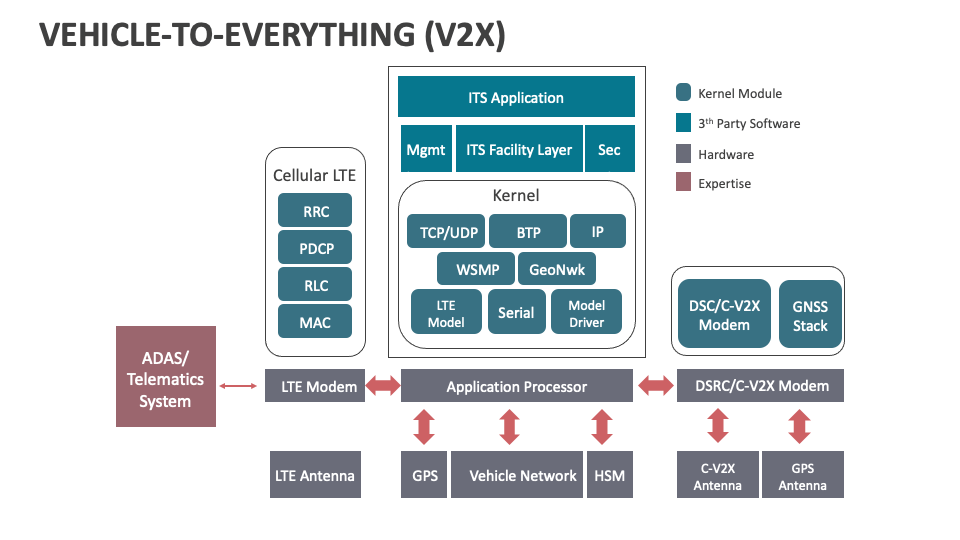
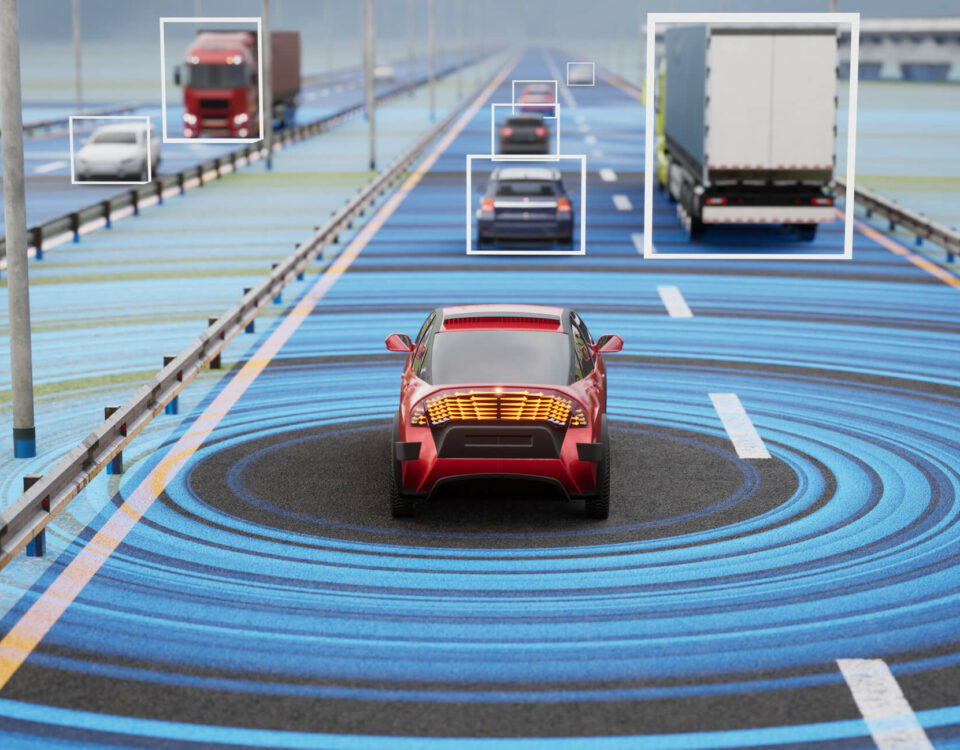
The comparison that kept coming to mind was a modern vehicle. A 2017 Cadillac CTS Luxury contains navigation systems, telematics, diagnostics networks, sensors, controllers, cameras, and communications modules operating together behind the dashboard.

Fleet vehicles perform many of those same functions at a larger scale. They track assets, exchange operational data, communicate with remote systems, monitor equipment, and maintain awareness across large geographic areas through interconnected technologies.
The same technologies also appear throughout engineering environments. Field laptops used by surveyors, utility crews, telecommunications engineers, transportation planners, and oil and gas operators often rely on many of the same communications functions. Location data, connectivity, telemetry, equipment integration, and information distribution remain critical regardless of industry.

What does this mean? It means the technologies represented by those drivers were built to solve many of the same communications problems encountered throughout transportation, industrial operations, utilities, engineering, and mobile workforce environments.
Industrial control systems introduced another way of viewing the architecture. Unlike traditional office environments, operational technology environments are built around collecting information from physical systems. Sensors report conditions. Controllers report status. Telemetry devices report activity. Communications networks move that information between equipment, operators, and decision makers.
Viewed through that lens, the technologies represented by the driver entries begin serving distinct roles. GPS systems provide position and timing data. GSM systems provide connectivity beyond local networks. Serial communications interfaces connect computers with radios, controllers, sensors, diagnostics equipment, and telemetry devices. Broadcast technologies distribute information across large operational areas. Each technology contributes to the collection, movement, and interpretation of information originating from the physical world.

That architecture appears throughout utilities, transportation systems, industrial facilities, engineering operations, public infrastructure, and energy production environments. The objective is not simply communication. The objective is maintaining awareness. Equipment reports status. Systems report conditions. Assets report location. Operators receive information and make decisions. Different industries approach the problem differently, yet the underlying communications architecture remains remarkably familiar.
Looking across those environments, the architecture remained remarkably consistent. GPS systems establish location. GSM systems provide connectivity. Serial interfaces connect equipment. Telemetry systems move operational data. Controllers generate status information. Different technologies solve different problems, yet each contributes to the same objective; collecting, moving, and acting upon information.
Maybe that’s why the driver list felt familiar. Not because of any single technology, but because the architecture kept repeating itself. Transportation fleets. Survey crews. Utility operators. Oilfield services. Engineering teams. Different missions, different industries, yet many built upon the same communications foundation.
Meaningful analysis requires examining the broader system architecture rather than relying on any single artifact in isolation.
Discover more from Solide Info | The Engineer’s Authority on Cyber Defense
Subscribe to get the latest posts sent to your email.